.svg)
See your back office the way you already see the clinical floor
Every shift, bed and credential is tracked to the hour. The admin, billing and coding work that keeps the hospital paid is estimated at month end.


.avif)











Dave Miles, CIO, Oklahoma Heart Hospital

Caduceus Health
Oklahoma Heart Hospital
Turn the healthcare back office into a measured one

Without Insightful

Admin and billing staff spend part of every week logging hours they already worked.
The renewal is approved on a seat count and nobody checks who opened one.
Clinical work is measured minute by minute. Admin, billing and coding are estimated.
Patient records sit on these screens, so the tool never gets past Compliance.
Evening and weekend cover is planned from a schedule nobody checks against hours.

With Insightful

Clock-ins and hours captured as work happens, with manual edits routed to an approver.
Every paid license in the practice ranked against the date anybody last opened it.
Hours, productive time and workload by team, each against the period before.
Screenshots off by default, blurred where on, disabled entirely for a team.
Hours held against the work for each shift, while the day is still running.
Run payroll on hours admin staff never had to type
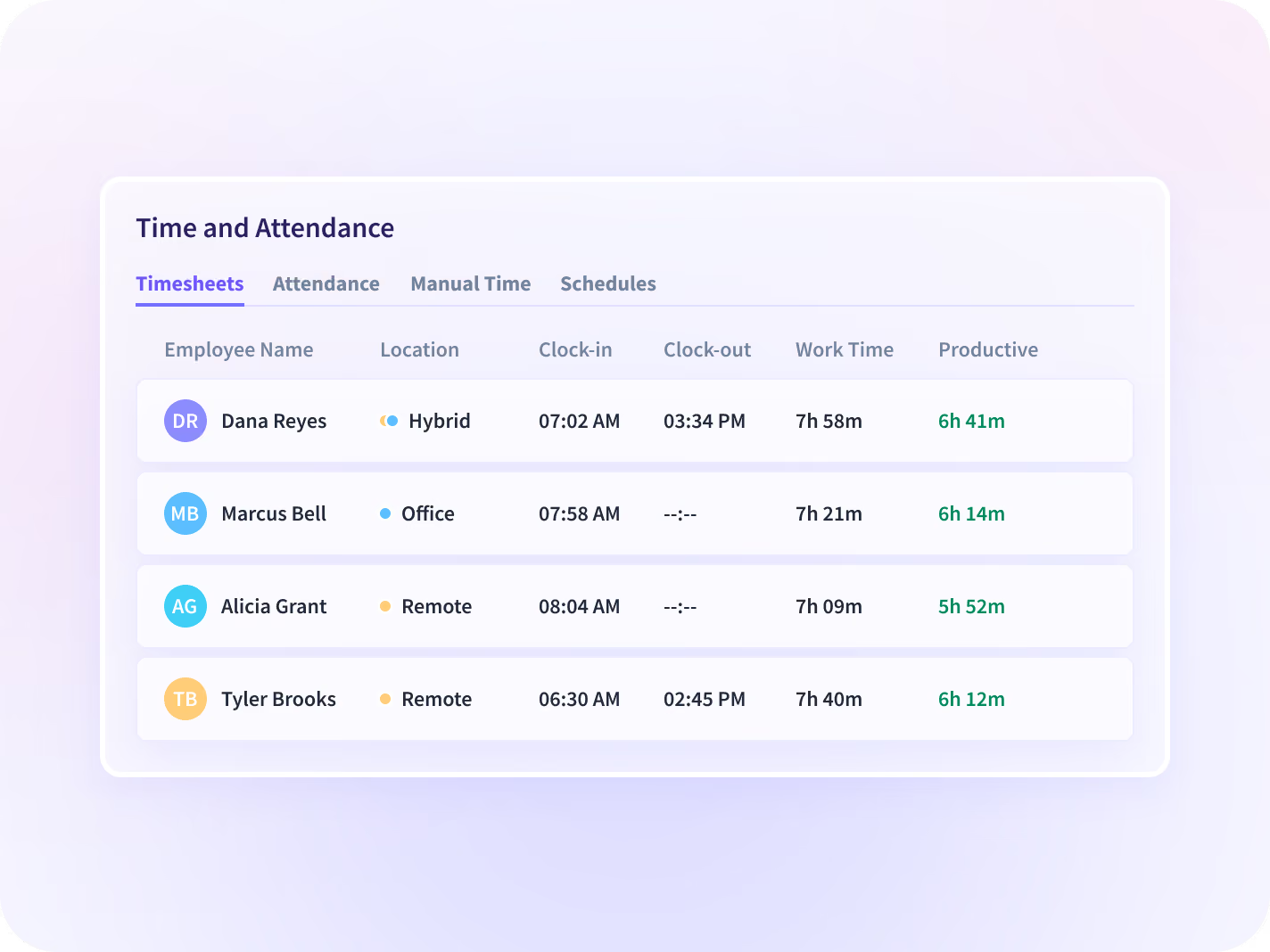
Hours are captured automatically as work happens. Anything added by hand routes to a named approver first, and every entry lands in a record no one can quietly edit later.

Capture clock-ins and hours across every admin and billing role
Catch timesheet errors before they reach payroll
Retire the weekly timesheet chase for coding and front-desk teams
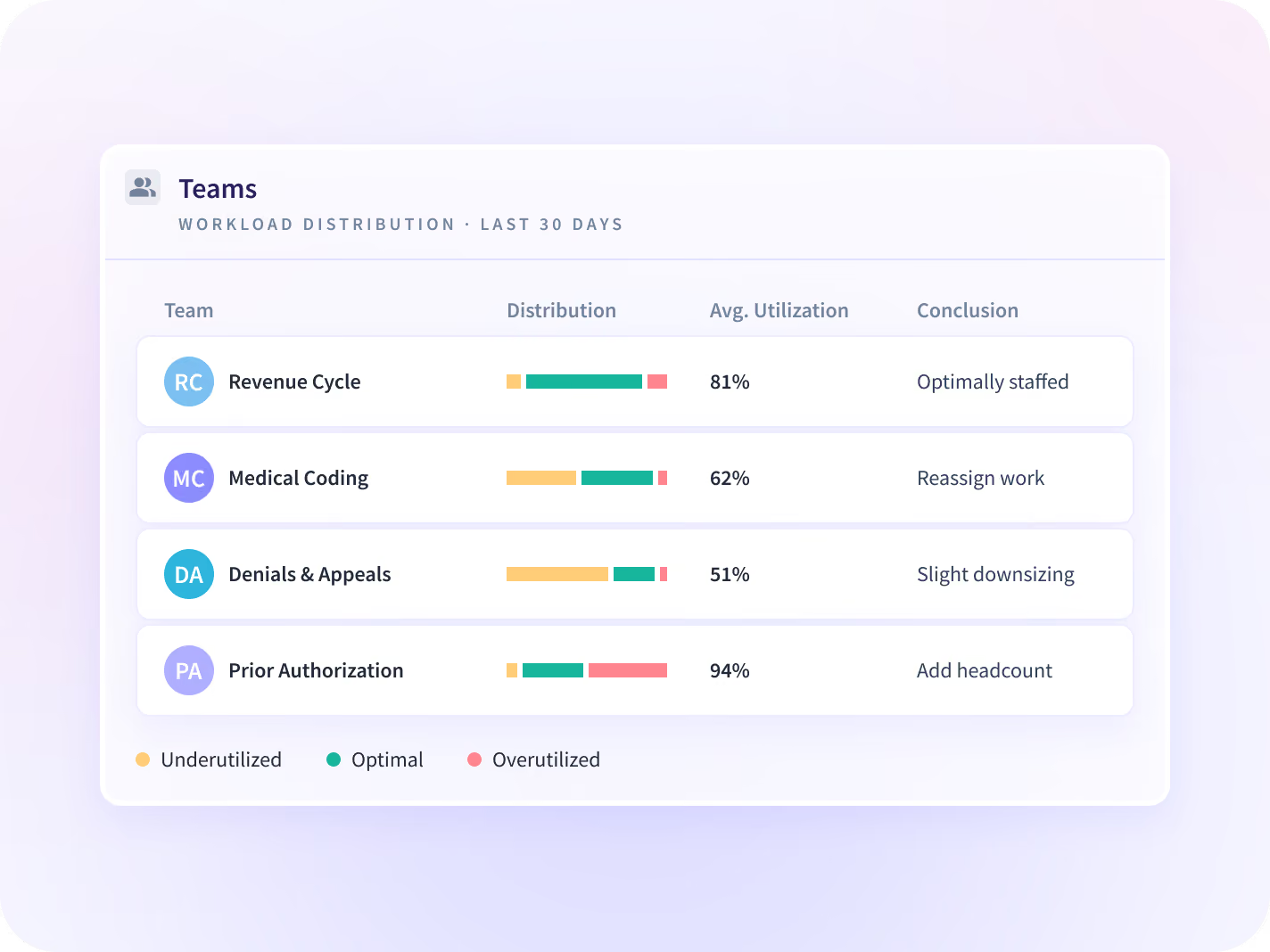
Spot the overload before the billing backlog builds
Every number carries its percent change against the same-length period before it, so a billing or coding team carrying more than its share shows early.
See who is overloaded and who has room, side by side
Name the bottleneck while the week is still running
Plan billing and coding schedules against hours, not headcount
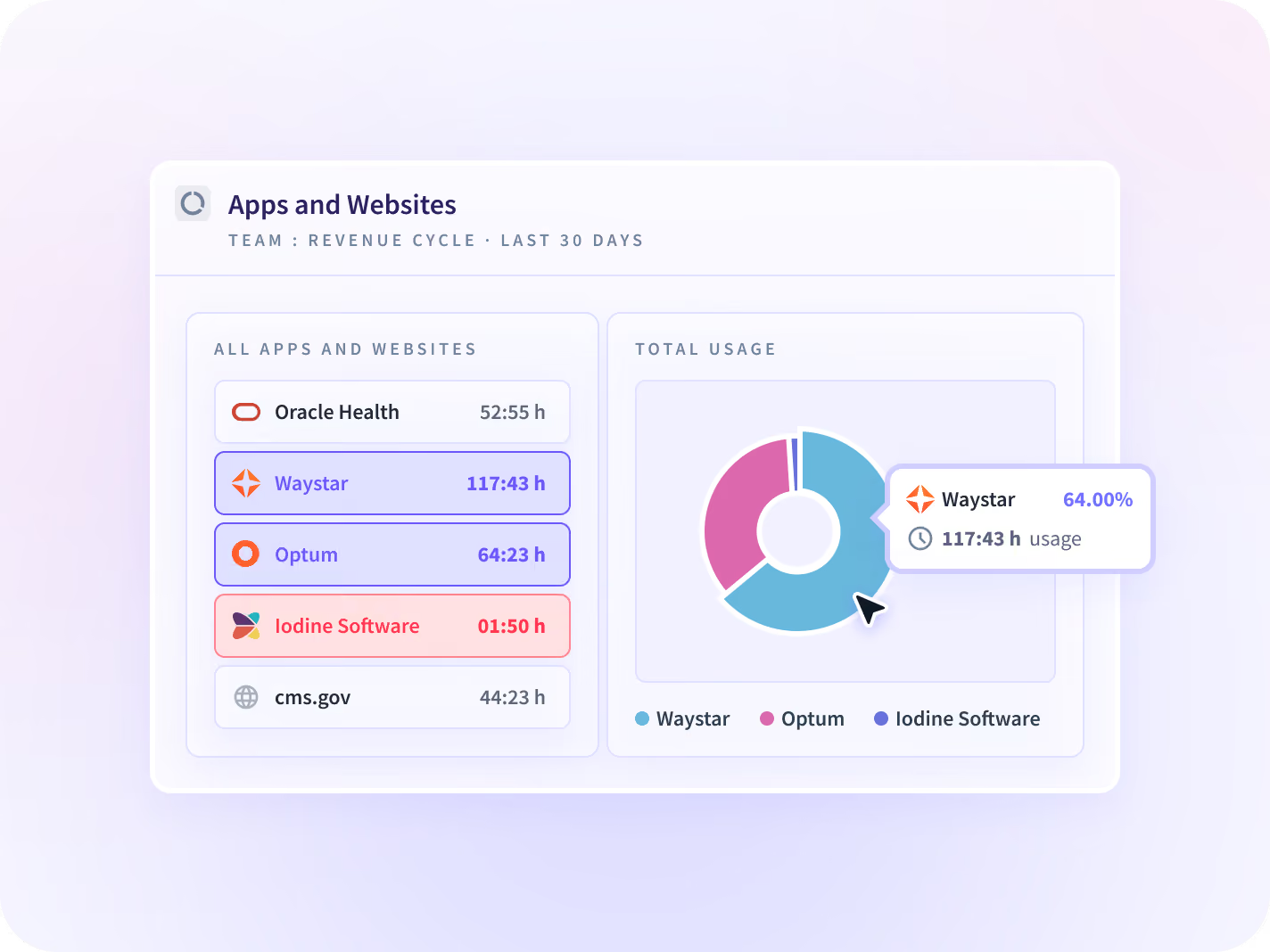
See where the admin hours go
Cut the licenses nobody in admin has opened this year
Back-office tools get bought and forgotten. Every seat comes back with the last date somebody opened it, which is the number a renewal argument has never had.
Sort every license into active, idle or barely touched
Cut unopened seats before the next renewal comes around
Compare tool use across admin, billing and IT teams
Keep patient records out of scope, team by team
Collection scope is set per team before the desktop application is deployed, and the whole deployment can run on your own infrastructure.
Keep admin and billing teams isolated from one another
Deploy on-premise or in a private cloud you control
Switch capture off entirely for a team working near records
What a team working near patient records has set
Narrow by design, and here worth stating control by control. It records which applications and pages were used and for how long, with scope agreed up front.






Three answers the clinical systems never held
Together they tell HR, operations and finance where back-office hours go, from one week of activity and without reading a patient record.

How much time goes into timesheets?
Hours built from activity instead of typed, with the errors caught before payroll.

Who is overloaded, and who is not?
Hours, productive time and workload across the team, side by side, while the week runs.

Which licenses has nobody opened?
Every paid seat ranked against the date anybody last opened it, across the estate.
Healthcare back offices that measure what they staff







Every system your healthcare back office runs on, connected
Insightful connects to the project, HR and service tools a healthcare back office already runs on. You can talk to your work data with MCP connectors.


Measure the back office like the clinical floor
What operations leaders ask us most
Healthcare workforce management software reports how an organization is staffed and where its hours go. Insightful is a work insights platform. It collects hours, application use and meeting load from desk-based teams and reports them by team, each measure against the period before. In a healthcare back office that means timesheets that build themselves, workload you can see before a backlog forms, and a last-opened date against every paid license. It reads no patient record, and rostering the clinical floor is not what it does.
Clinical tools schedule the floor: shifts, credentials, acuity and coverage at the bedside. Insightful covers the back office instead, which is admin, billing, coding and IT, with the same visibility the clinical systems already have. It answers a different question for a different budget holder, and the two run side by side.
Four things, and they belong to four different people. HR stops chasing timesheets, because hours come from activity rather than from typing. Operations sees who is overloaded before a backlog forms. Finance gets a last-opened date against every paid seat before the renewal. IT gets per-team scope and an on-premise option. Reporting lands at team level by default rather than on a named individual, which is what keeps a rollout out of an employee-relations conversation.
Yes, and that is the whole scope. It is built for operations directors, COOs, IT managers and the finance lead running the business side of healthcare, not for clinical department heads. The line is the computer and the function rather than the specialty, so provider back offices, billing companies and medical suppliers are all covered. Clinical staff moving between rooms, and home-health and transport staff, are not: without a primary computer they do not appear in the data at all.
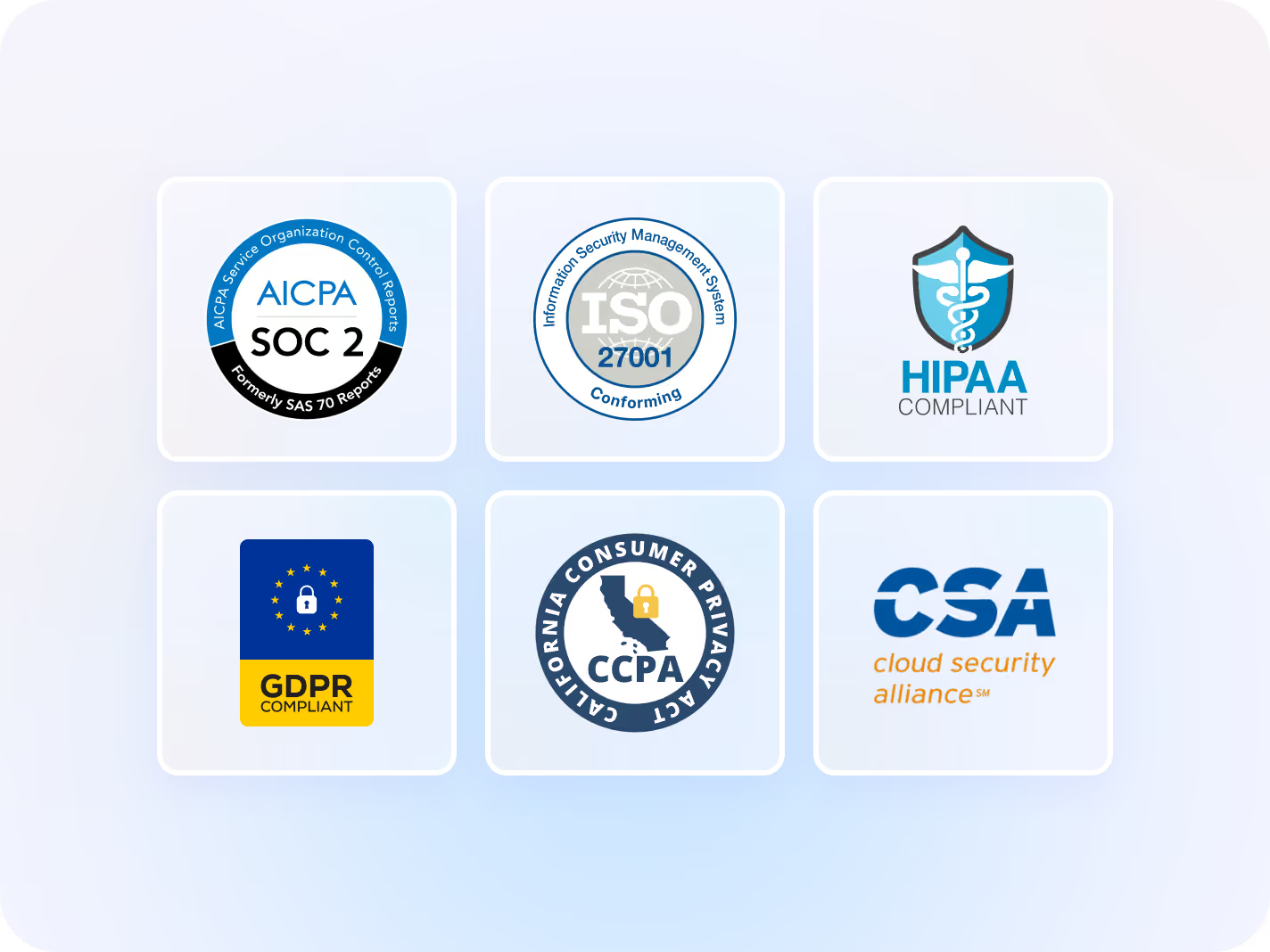
Certified: SOC 2 Type II. Compliant: HIPAA, GDPR and CCPA, which are regulations rather than certifications, and being exact about which is which is the point. Underneath that, AES-256 at rest, TLS 1.2 in transit, keys in Google Cloud KMS, and residency in the US, the EU or Saudi Arabia, or on-premise, so patient health information (PHI) stays off shared infrastructure. Insightful records which applications and pages were used and for how long. It does not log keystrokes, record audio or video, or read the content of messages, email or documents. Screenshots are off unless an admin enables them, are blurred by default, and can be disabled entirely for teams working near patient records.
