.svg)


See the working hours behind every licence before you renew
The renewal invoice arrives for a tool almost nobody worked in last quarter, and nothing in your records says how little. Procurement holds what was bought, and nobody holds what was opened.


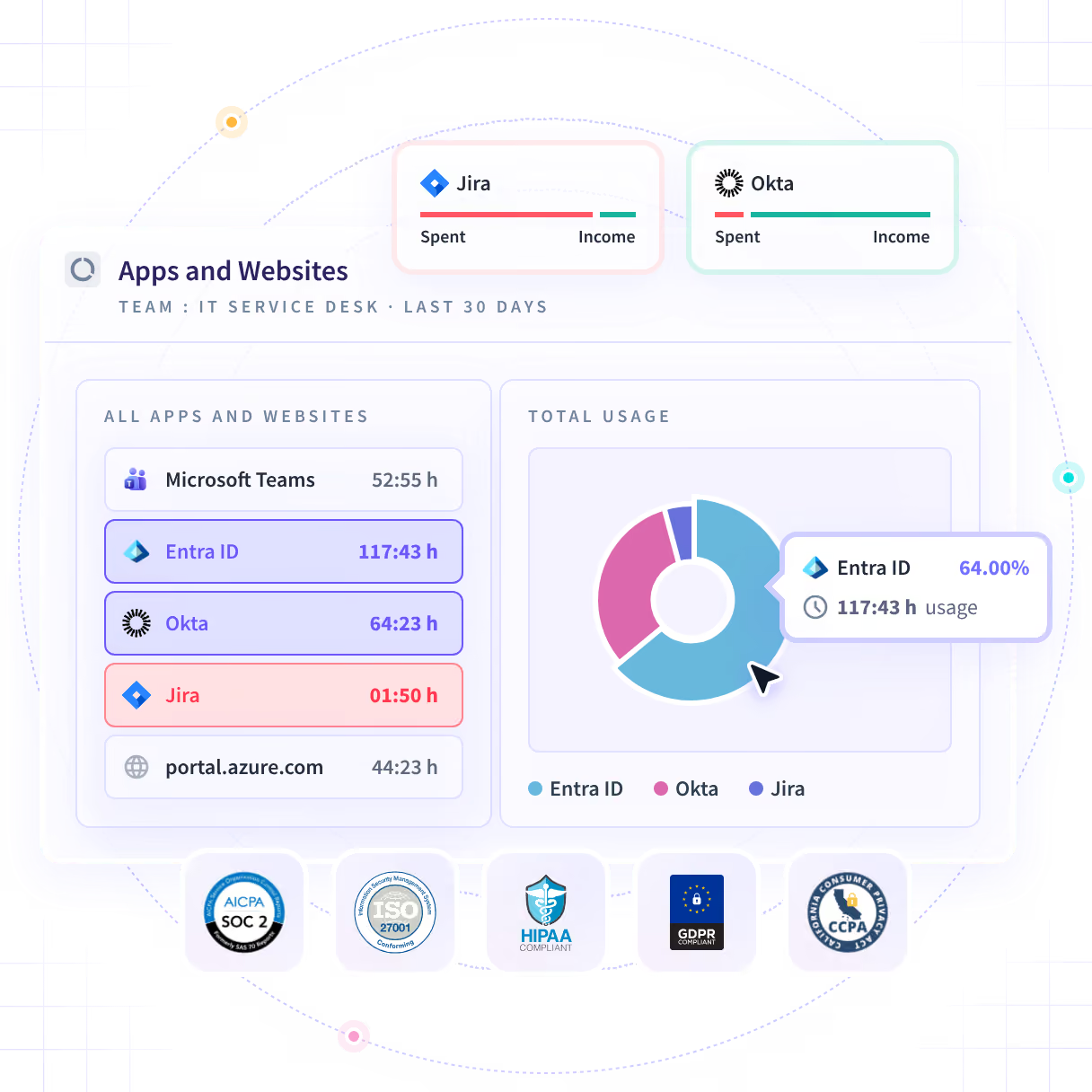










Turn a software estate into a list of decisions

Without Insightful

Each one solved the same problem, and none of the three knew about the others.
Offboarding closed the accounts and the licence stayed assigned anyway.
The tool predates the team using it and the person who bought it has gone.
The purchase record is accurate and silent on how many hours went into it.
Somebody builds it in month three of a term that runs for twelve more.

With Insightful

One ranking covers the estate, with the hours going into each tool on it.
Nobody has worked from that device in weeks and the line is still paid.
Use arrives attached to a team, so the conversation has somewhere to go.
What ran on the device, ranked by the working hours spent in it.
Two weeks of activity from before the quote puts the list in your hand.
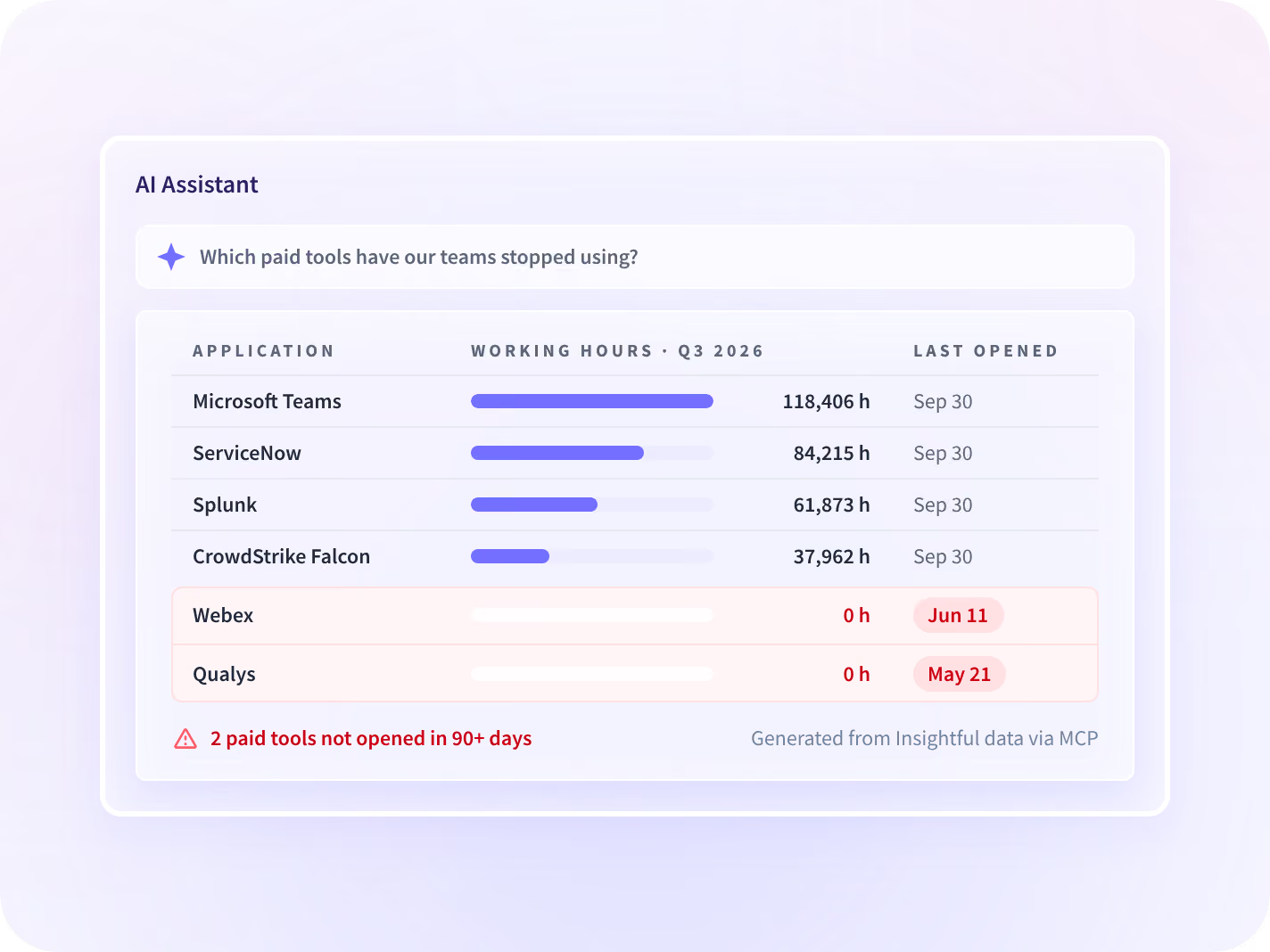
See which paid tools your teams stopped using
One ranking covers the whole estate rather than one vendor console at a time. Set it beside the licence list you hold and the paid tools with no hours behind them come back named, with a team attached.
- A G2 reviewer found two fully paid tools nobody had touched in 90 days
- You bring the licence list. Insightful reads the hours worked in each tool
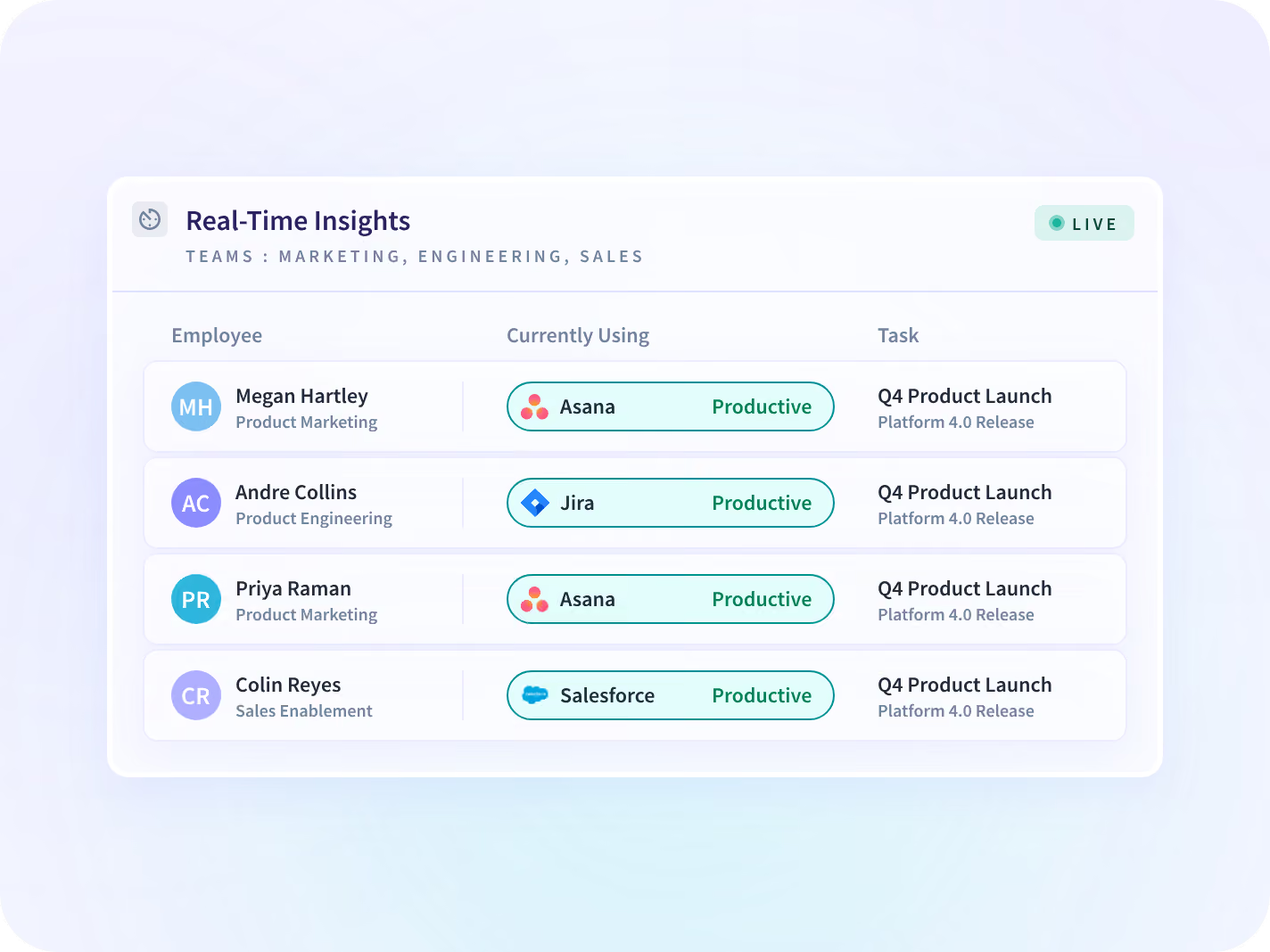
See where two departments pay for one job
The live team view shows which teams are working in which application right now. Two departments solving one problem in two tools is visible on a screen rather than in three separate conversations.
- See which teams are in a tool this morning, by team and by site
- A consolidation argued from use survives the team that asked for the tool
See the paid tools with no hours behind them
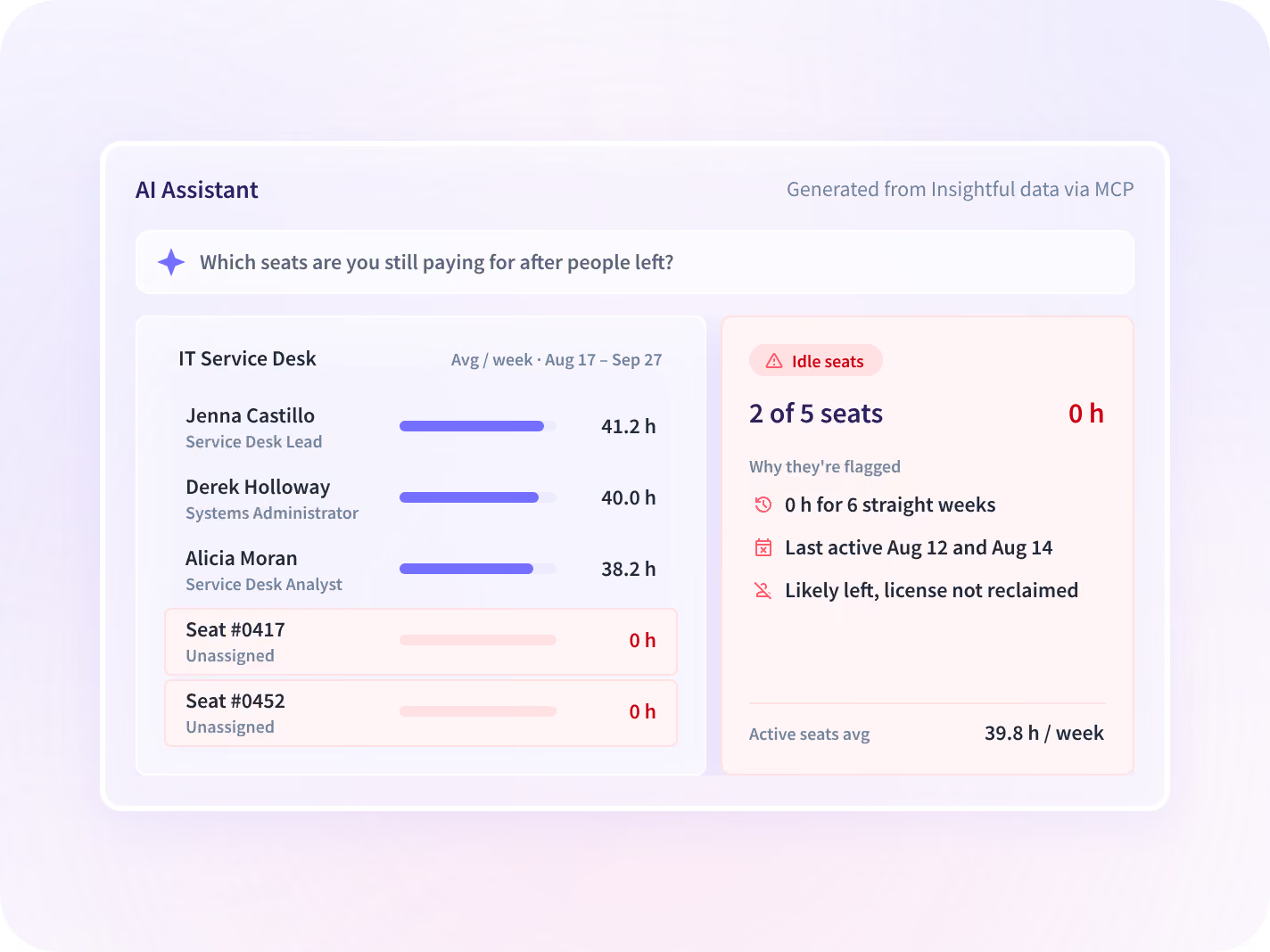
Find the seats still paid for after people left
Hours are captured from the device as work happens, so a seat that has produced none for weeks is a seat nobody is working from. Offboarding closes the accounts and rarely closes every licence behind them.
- Contract seats and staff seats are read the same way, on one report
- Insightful cannot tell you somebody left. It can tell you nobody worked
Argue the seat count with four quarters behind it
The reading is always period against period, so a tool reaches the renewal call with a direction attached. A cut argued off one quarter gets reversed the week the department that bought it objects.
- Four quarters of direction, so one slow month does not decide the number
- Insightful holds no contracts and no prices. The cost side stays yours
Can we cost the estate without reading the work?
A licence finding needs three things: the application, the team in it and the hours that went into it. None reaches inside the tool, and the collection scope is agreed and published before deployment.






Three questions the first list always raises
Most of what comes back is a tool somebody still needs. Three questions decide which lines get cut, which get resized, and who has to be in the room when it happens.

What about the AI seats we pay for?
AI contracts renew on a shorter cycle and argue from the vendor's own adoption number. That gets its own page.

Which of these did nobody approve?
A tool with no purchase order behind it is a risk question rather than a renewal one, and it lands with security.

What does switching cost us?
The hours a consolidation takes back from the teams that have to move, priced in working time.
Teams that cut the estate without a fight







No connector needed to see the whole estate
The ranking comes off the device, so a tool bought on a card is on it. 50+ integrations cover the rest. You can talk to your work data with MCP connectors.


The invoice for the tool almost nobody used
What finance and IT leaders ask us most
No. It reports how many working hours went into each application, by which teams, and when it was last used. It holds none of your contracts, invoices or price lists, so the cost side comes from your own records and the renewal argument is built by setting one against the other. That split is deliberate rather than a gap: the price half is already sitting in procurement, and the use half is the one nobody currently has. What you take into the call is every paid tool with its teams, its hours and its last-opened date, ready to be priced with numbers you already own.
Which application or site was open, for how long, and on which team. Never what was inside it: no message content, no document content, no file contents, and no keystroke logging at any tier. The collection scope is agreed per team before a device is deployed, then published, versioned and dated, so the list a reviewer signs is the list that runs. An unopened seat describes a licence, not the person holding it, and that is the sentence to lead with when this reaches the teams whose tools are on the list.
By ranking the estate on use rather than on the purchase record. Tools can be grouped the way your organization already thinks about them and reported as a group, which is what puts three products doing one job on the same screen. Duplication is usually a history rather than a mistake: one department bought a tool, another hit a similar problem the same quarter, and neither purchase was wrong at the time. What the ranking adds is the hours going into each of the three and the teams behind them, which is what a consolidation has to survive when the department that asked for the tool objects.
It can tell you a seat has produced no hours. Hours are captured from the device as work happens, so a licence sitting on a device that has produced nothing for weeks is visible without anyone opening a leaver report. What Insightful cannot tell you is why, and that distinction matters: a dormant seat belongs to somebody on long leave as often as it belongs to somebody who has gone. The list is the prompt. Matching it against your own joiners and leavers record is a short job once the seats are named, and it is usually where the first cut of the renewal comes from.
Same question, different half of the estate. AI Spend reads a category the company bought in about eighteen months, where the renewal cycles are short and the vendor's own adoption number is the only one in the room. This page reads an estate assembled over years, where the findings look different: two departments paying for one job, seats nobody closed when a person left, and a renewal nobody has the evidence to renegotiate. One deployment produces both lists, and they are worth splitting because the renewal calendars are different. A tool nobody approved is a third question again, and Shadow IT answers that one.


