.svg)


Screen monitoring software that shows what the work looked like
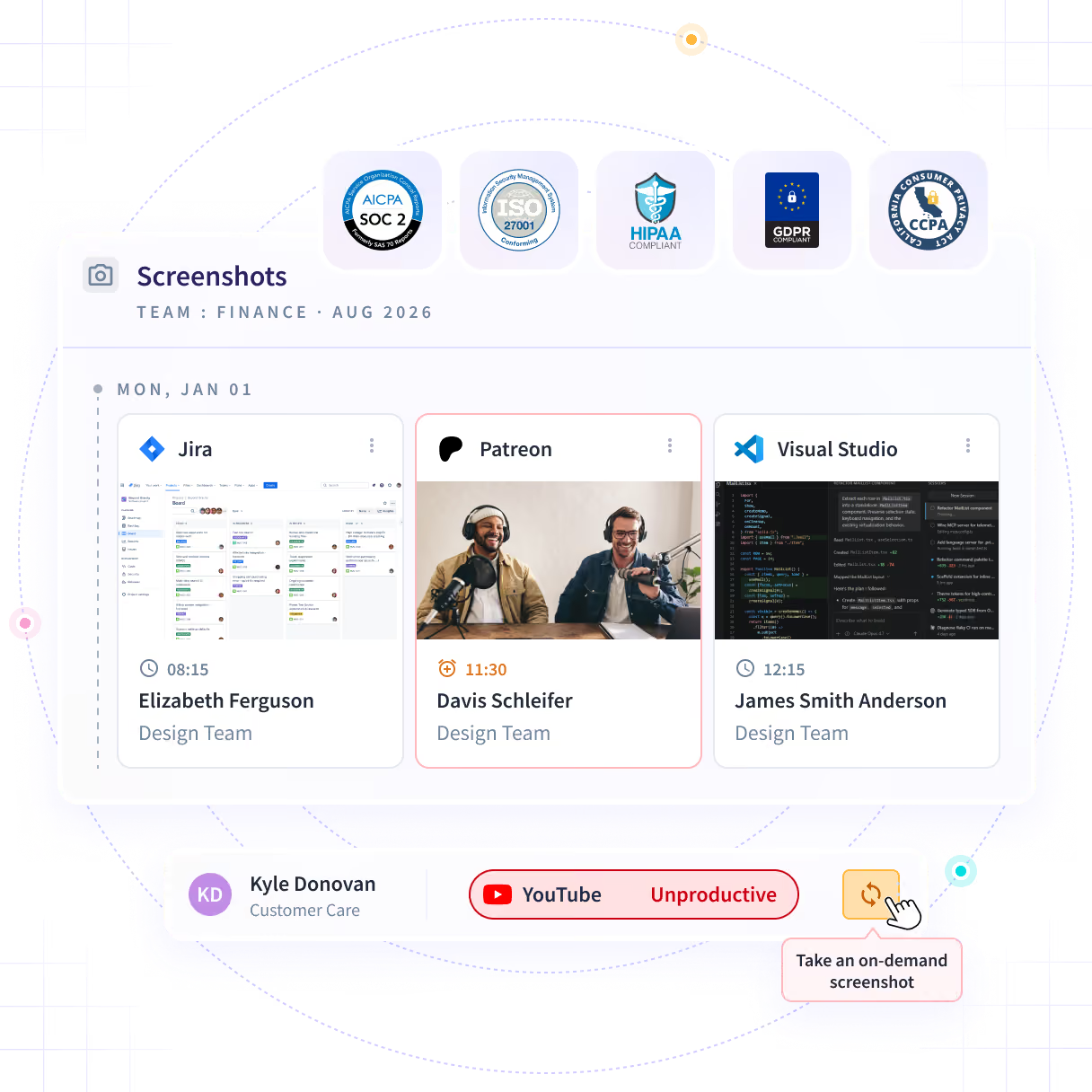
Periodic screenshots at an interval you set, so a slow ticket or a customer dispute has an answer that is not somebody's memory. Blurred by default, and no keystroke logging at any tier.













Nobody can reconstruct the hour that went wrong
A ticket took forty minutes and nobody can say why. The logs show which tools were open, the person remembers the shape of it, and neither answers the question.

See what the work looked like, not what anyone remembers
The same capture that explains a slow ticket also shows when the tool was down. The most common thing it settles is that the work was harder than it looked.

Why the work took what it took
A slow ticket, a rework loop, a handoff that keeps failing. The capture shows the steps, so the fix lands on the process rather than on a person.

Most often it clears somebody
The tool was down, the queue was real, the instructions were wrong. A frame settles that faster than a conversation where nobody has anything to point at.

Set it wide, or not at all
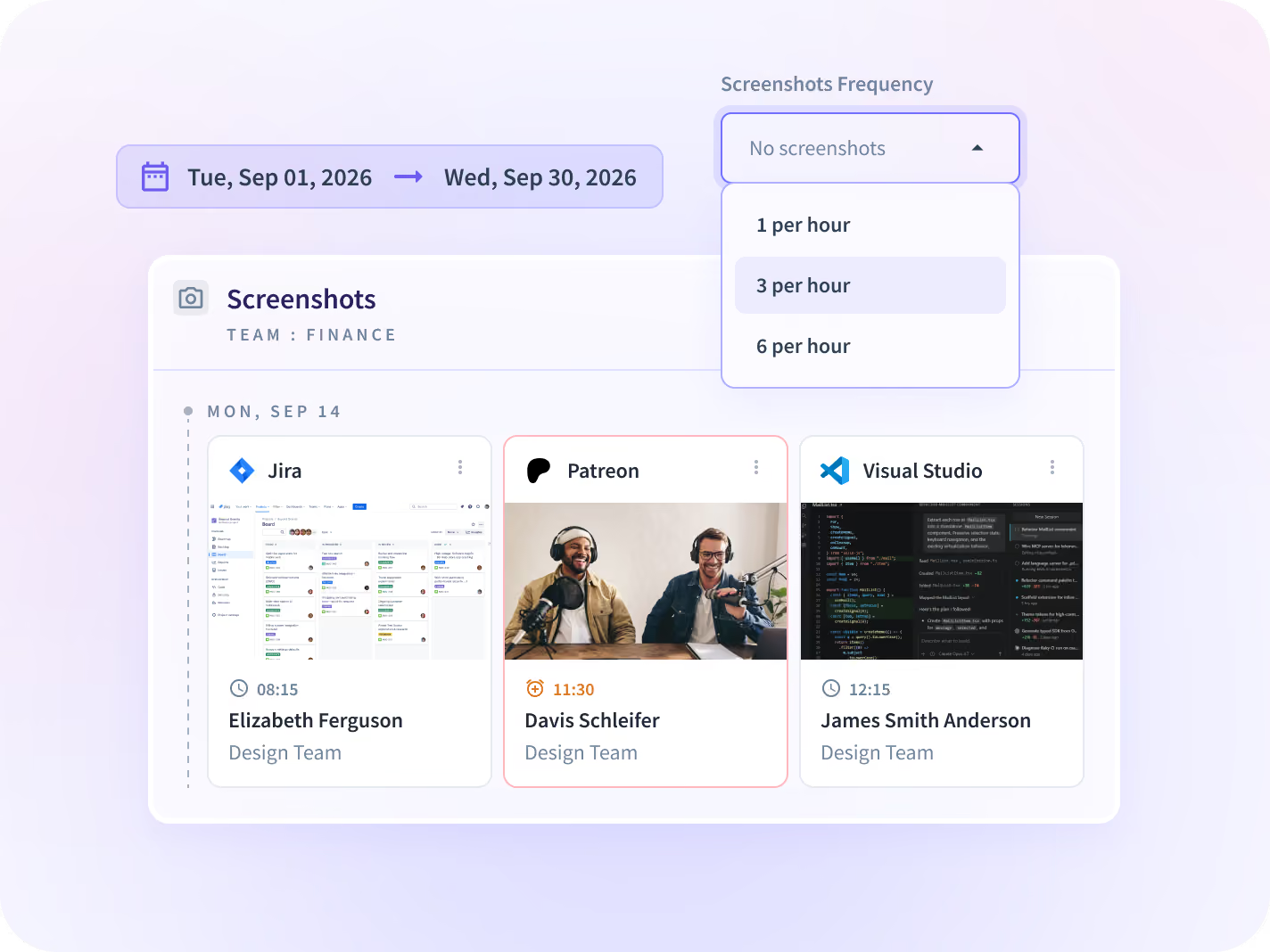
Wide sampling suits an ordinary week. Tighter settings exist for a specific case, and capture switches off per app, team or person wherever it should not run.

Narrow enough to deploy
Every capture arrives blurred and stays that way until somebody has a reason. No keystroke logging at any tier, and two legal reviews cleared the posture.
A wide sample of the day, or the minute that matters
Screenshots on the schedule you set, one on demand when a question will not keep, and short video when a single frame cannot answer it. Every one arrives blurred.


Captures arrive on the schedule you set, alongside which applications were active. A wide interval samples the day. Tighter settings exist for a specific case and are a decision to explain.


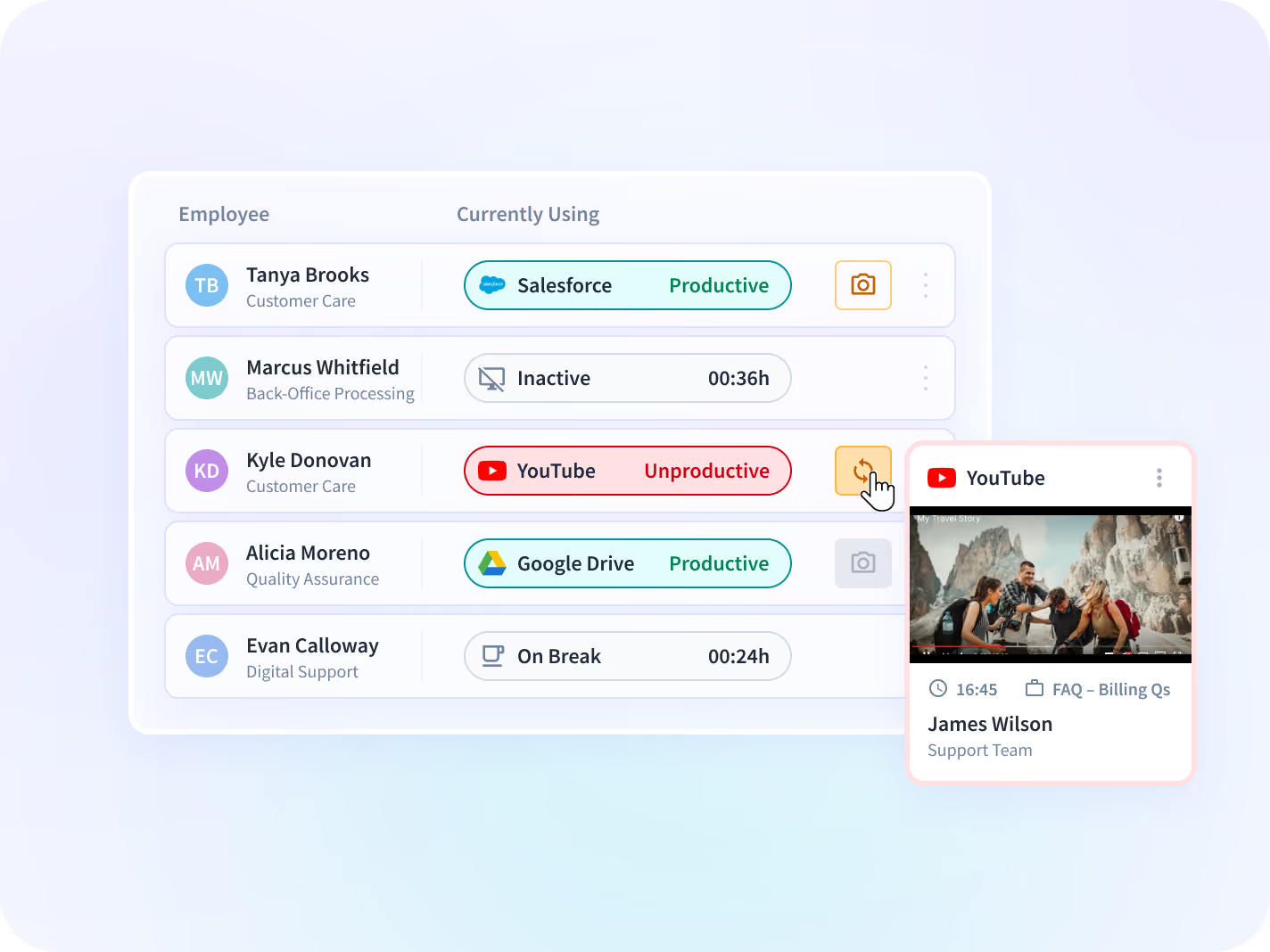
Take one capture the moment a question comes up, or open a live view of a single screen while something is still happening. Both are blurred, and both exist for what cannot wait for tomorrow's record.


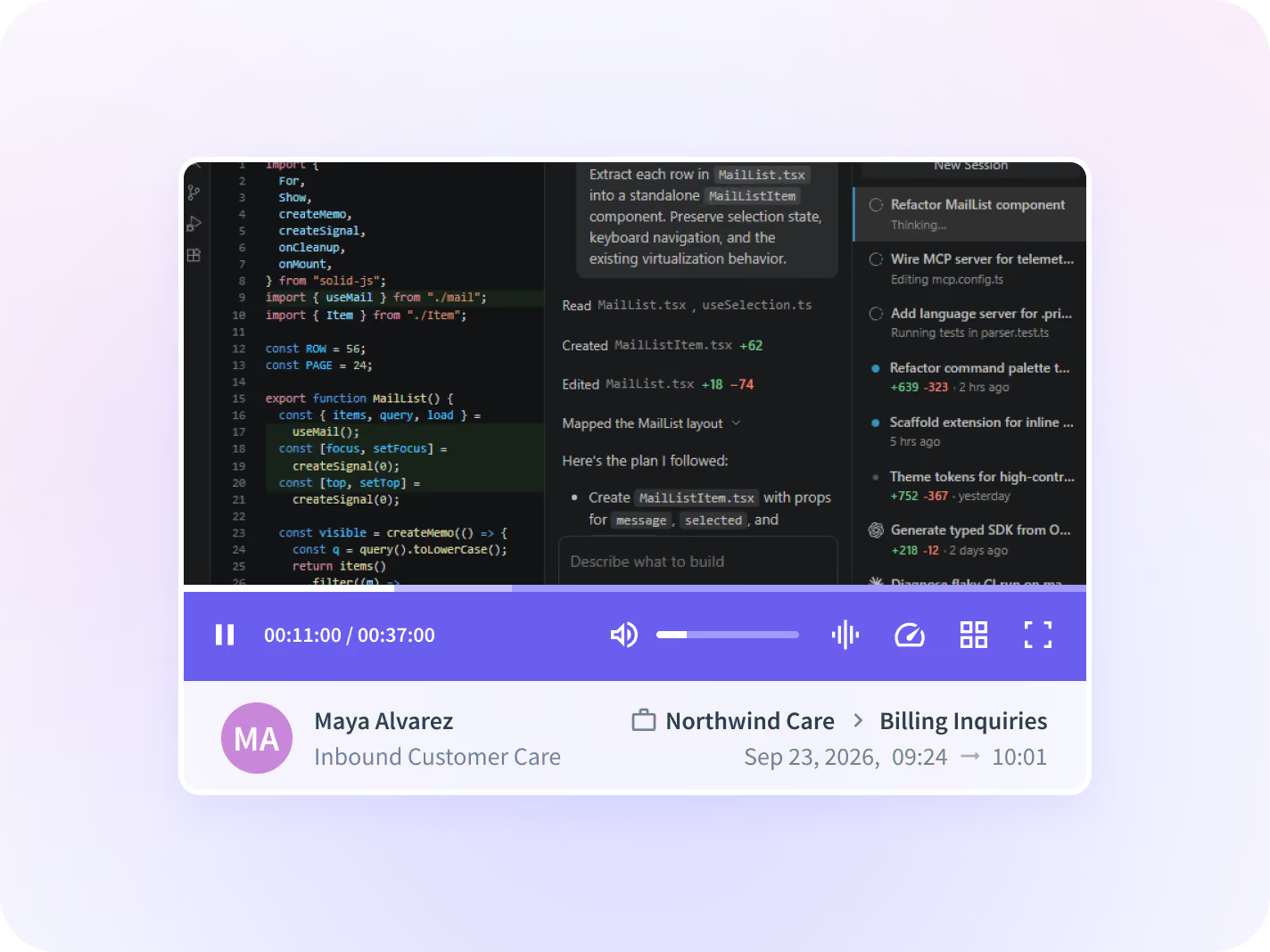
Short video of on-screen activity, recorded in chunks you can seek and pause, for the case a single frame cannot answer. A separately priced opt-in add-on, never the default capture mode.


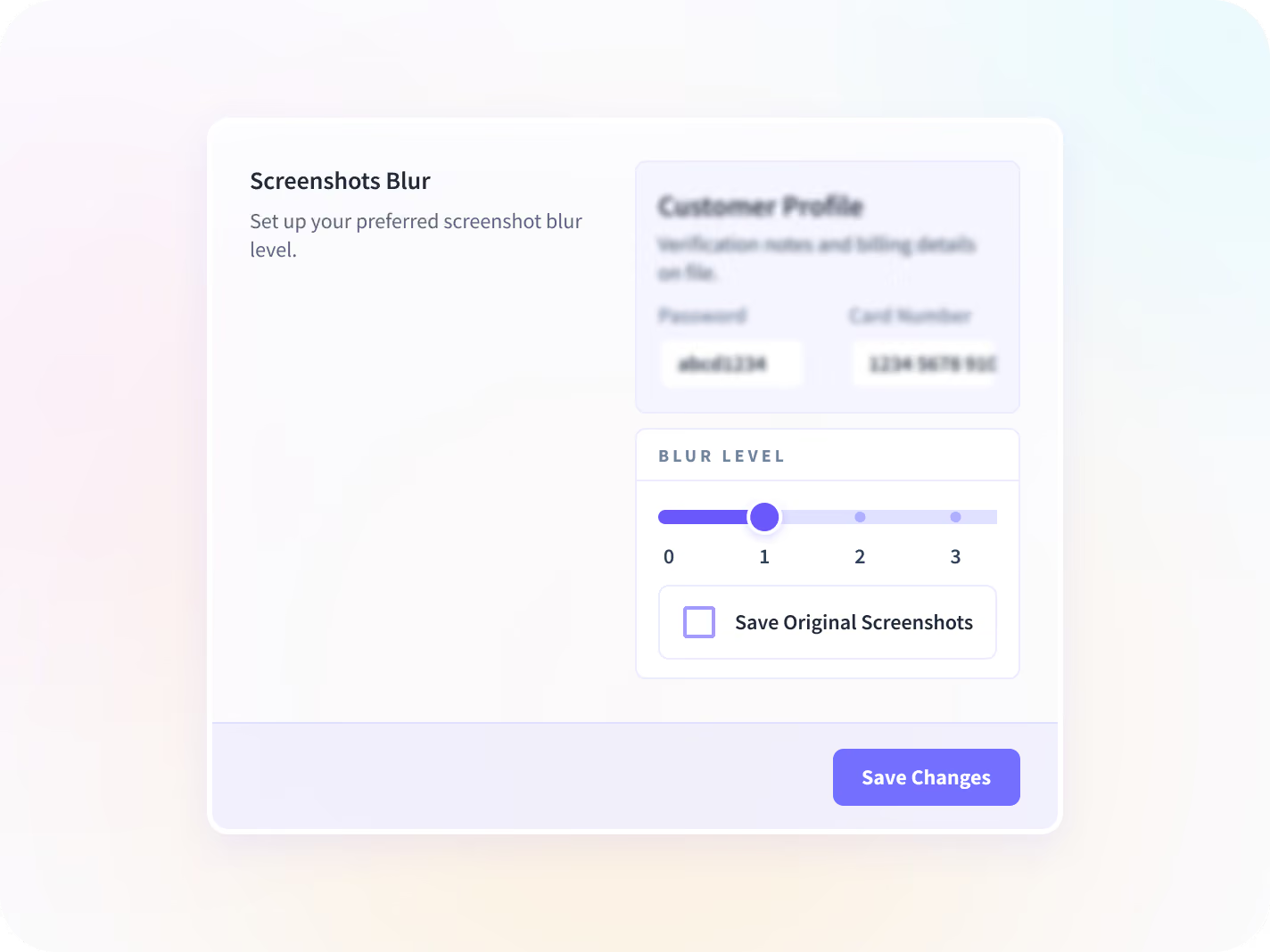
Every capture arrives blurred and stays that way until somebody has a reason. No keystroke logging at any tier, and no message content either.
One capture answers a moment, never a quarter
One capture answers one moment. Add the session around it, the pattern behind it and the policy line that triggered it, and a single frame becomes something you can act on.

Activity Logs
The session around the capture: which applications and pages were open, in order, with timestamps, and nothing typed.

Insider Threat Detection
A capture taken the moment a policy line you defined is crossed, on as few seats as one case needs.

Productivity Trends
Whether what you saw is a pattern or a Tuesday, read period over period rather than from one frame.

Employee Monitoring
The wider category page for a buyer still deciding what to collect, with blur, scope and switch-off settings laid out.

Remote Work
What the same captures answer for a team you cannot see: where the day went, without asking anyone for a status update.
Operations
One blurred capture answers the question a check-in was scheduled to ask.
Nobody has to collect everything to see anything
The written status update as the only visibility
Answer a same-day question from a live view or an on-demand capture, and raise the blocker while it is still today's blocker.
Hours returned to delivery
The rollout you have to walk back
Deploy visibly with blur on by default, per-team controls and an employee-facing view, which is the version people accept.
Adoption without escalation
Full-session recording as the default capture mode
Run a capture posture with no keystroke logging at any tier, documented in full for the security review before rollout.
Collection scope documented before rollout
Every control here narrows collection, none widens it
Blur is the default, three scopes switch capture off, and in a visible rollout the employee opens their own record. The full collection scope is documented and available under NDA.






Trusted by 5,000+ Teams Worldwide







Answer today's question today
Nothing to connect, the capture is on the device
50+ integrations across the platform. Screen capture needs none of them: it runs from the desktop application already deployed, at the interval and the scope you set.


FAQ
Screen monitoring software captures periodic images of an employee's screen alongside a signal of which applications are active. Insightful takes those captures at an interval you set, blurred by default, with on-demand capture and a live view when a question cannot wait. Capture switches off per application, per team or per person, and keystrokes are never recorded at any tier. The interval decides what you have bought: set wide, this is a sample of the day rather than a record of it.
Not by default. The standard capture is periodic screenshots plus activity signal. Screen Recording, which captures short video, is a separately priced opt-in add-on rather than the platform's default mode. That separation is deliberate, so nobody ends up holding video they never chose to buy.
Yes, and per application too, with blurring on by default so nothing is exposed unless someone has a specific reason to unblur one. The limit is the obvious one and it is worth saying out loud: a team you switched off has no captures for that period, and there is no going back for the two weeks you excluded.
If you are an employee, you cannot: capture is set by whoever administers the account. In a visible rollout you can open your own record and see exactly what is held about you, which is the version of this we recommend to every customer. If you are the administrator, capture switches off per application, per team or per person, and blur stays on by default everywhere it is still running.
That is your decision, and it is a configuration rather than a constraint. We recommend visible mode, where employees are told and can open a self-service view of their own data, because it gets the better adoption and the easier employee-relations conversation. Stealth deployment is supported where a customer needs it, and the cost of choosing it is that the employee-facing view goes with it.
No. There is no keystroke logging at any tier and no message content capture: screen and activity signal only. A screenshot is still an image of a screen, which is why blur is the default and unblurring one is a deliberate action rather than a setting somebody leaves on.
At an interval you set. It is a setting rather than a fixed rate: you choose it before deployment, and you change it afterward without waiting for a release. On-demand capture takes a single image the moment you need one. The tightest setting exists for a specific case rather than as a starting point, and choosing it is a decision to explain to employees rather than a field to fill in.


