.svg)
Cómo identificar, prevenir y tratar el agotamiento de los empleados



Hable con el departamento de ventas
Nuestro equipo dedicado está aquí para responde a todas sus necesidades personalizadas.

Piloto e iteración (semanas 6 a 12)
Una vez que su modelo híbrido esté definido y alineado, es hora de probarlo en el mundo real. La fase piloto le permite validar las suposiciones, sacar a la luz los puntos ciegos y refinarlos antes de escalar, al tiempo que genera la aceptación de la organización a través de la experiencia, no solo de las explicaciones.
Esta fase se centra en tres áreas:
- Alcance y configuración del piloto
- Retroalimentación y medición
- Iteración y refinamientos
{{abajo-1}}
[fs-toc-omit] Definir e iniciar el piloto
Empieza por definir un ámbito específico: qué equipos, plazos, herramientas y políticas probarás. El objetivo no es perfeccionarlo todo. Se trata de descubrir lo que funciona, lo que no funciona y lo que hay que modificar.
Un piloto bien definido muestra:
- Cómo funciona el modelo híbrido en la práctica
- Dónde existen brechas de soporte (herramientas, capacitación, flujos de trabajo)
- Qué partes de la política deben ajustarse antes de la escala
[fs-toc-omit] Cómo definir y lanzar tu piloto
Seleccione un grupo de equipos pequeño pero diverso para capturar una variedad de desafíos híbridos.
Concéntrese en cuatro pasos:
- Selección de equipo → De 2 a 3 funciones con distintos tipos de trabajo (por ejemplo, ventas, operaciones, tecnología)
- Alcance de la política → pruebe de 1 a 2 componentes principales (por ejemplo, días de anclaje, reglas de reserva)
- Materiales de habilitación → guías para gerentes, incorporación, plan de comunicación
- Métricas de éxito → adopción, sentimiento, productividad, cumplimiento
Documente las suposiciones por adelantado para que sepa lo que está validando.
[fs-toc-omit] Trabajo seguro desde cualquier lugar
Sin estándares claros, el trabajo remoto presenta riesgos: brechas de seguridad, problemas de cumplimiento y rendimiento desigual.
Los requisitos básicos incluyen el acceso a la VPN, el cifrado del dispositivo, el software aprobado por TI, la autenticación multifactor y un equipo de audio y vídeo que funcione. Estas medidas de seguridad garantizan que las operaciones híbridas sean seguras y coherentes en toda la fuerza laboral.
📥 Asegúrese de obtener la lista de verificación técnica y de seguridad remota aquí.
[fs-toc-omit] Estandarice las configuraciones seguras para equipos híbridos
El Lista de verificación remota de tecnología y seguridad estandariza la configuración de los dispositivos, la seguridad de la red y la seguridad del espacio de trabajo para los empleados híbridos.
Esta hoja de trabajo debe ser completada por el departamento de TI, con el apoyo de los gerentes y de recursos humanos durante la incorporación o las revisiones.
La plantilla está organizada en cuatro secciones: encabezado del empleado, seguridad de la red, configuración del dispositivo y seguridad del espacio de trabajo.
Guarde la lista de verificación en su HRIS, sistema de TI o centro de conocimiento interno y revísela a intervalos regulares (por ejemplo, durante la incorporación, las revisiones anuales o los cambios tecnológicos importantes) para mantener los estándares actualizados.
👉 Leer más:La guía paso a paso para proteger los estándares técnicos remotos en equipos híbridos
[fs-toc-omit] Gestione el riesgo y el cumplimiento
Con configuraciones seguras, el siguiente paso es proteger a su organización de riesgos de cumplimiento más amplios. El trabajo híbrido introduce la exposición más allá de los dispositivos individuales, ya que abarca la legislación laboral, la privacidad de los datos y las normativas específicas de la industria.
Sin procesos estandarizados, los equipos distribuidos pueden generar responsabilidades, como factores desencadenantes de impuestos fuera de la región, un mal manejo de los datos o brechas en las funciones reguladas.
📥 Obtenga su hoja de trabajo de planificación del cumplimiento aquí.
[fs-toc-omit] Estandarice el cumplimiento en todos los roles y ubicaciones
El Hoja de trabajo de planificación del cumplimiento ayuda a su organización a alinear el trabajo híbrido con la legislación laboral, la privacidad de los datos y los controles específicos de la industria. Garantiza que el cumplimiento se aplique de manera uniforme en todas las funciones y ubicaciones.
Los equipos de Recursos Humanos, Asuntos Jurídicos y Cumplimiento deben completar esta herramienta en colaboración con el departamento de TI y los gerentes.
El libro de trabajo está organizado en pestañas clave que abarcan la evaluación de riesgos, el mapeo basado en roles, las aprobaciones, los controles de acceso y los registros de revisión.
👉 Leer más: Cómo poner en práctica el riesgo y el cumplimiento en el trabajo híbrido
[fs-toc-omit] Recopile comentarios y mida el impacto
El objetivo de tu piloto no es la perfección, sino el aprendizaje. Esto significa recopilar comentarios de forma continua, no solo al final, y combinarlos con los datos de comportamiento para obtener una imagen completa.
Esto le ayuda a responder a las preguntas clave:
- ¿Se sigue el modelo?
- ¿Dónde tienen problemas los equipos?
- ¿Qué está mejorando o deteriorándose?
Los fuertes bucles de retroalimentación combinan:
- Registros de gerentes y retrocesos de equipos
- Feedback de los empleados
- Datos de la fuerza laboral sobre la actividad, el enfoque y la colaboración
¿Necesitas información entre las encuestas? Insight muestra en tiempo real los puntos en los que el comportamiento se alinea (o difiere) con la política, y revela lo que los comentarios por sí solos no pueden.
[fs-toc-omit] Impulse el rendimiento y la responsabilidad sin microgestión
Una vez que se haya establecido un trabajo seguro y flexible, el siguiente paso es mantener el rendimiento, sin volver a caer en la microgestión. En los equipos híbridos, la visibilidad debe provenir de la alineación, no de la vigilancia.
Para que la rendición de cuentas sea clara y escalable, céntrese en los resultados más que en la presencia:
- Mida el impacto, no las horas → Realice un seguimiento de los resultados y el valor empresarial en lugar de la actividad.
- Alinee los roles con los OKR/KPI → Defina el éxito mediante objetivos claros y específicos para cada función.
- Revisa los objetivos con regularidad → Revisa el progreso en sesiones individuales y sincroniza el equipo para mantener la alineación adaptativa.
Este enfoque empodera a los equipos con claridad, refuerza la confianza y garantiza que la responsabilidad se comparta.
📥 Descargue la plantilla de planificación del desempeño basada en los resultados aquí.
[fs-toc-omit] Alinee los resultados mensurables en todos los roles
El Plantilla de planificación del desempeño basada en los resultados ayuda a los equipos a pasar de monitorear las horas a alinearse con resultados medibles.
Al definir los resultados a nivel de función, los gerentes y los empleados comparten una imagen clara del éxito: crear responsabilidad sin microgestión.
La plantilla está estructurada para definir los resultados específicos de cada función y hacer un seguimiento del progreso a lo largo del tiempo.
👉Leer más:Guía para gerentes sobre el desempeño basado en los resultados en el trabajo híbrido
[fs-toc-omit] Promover la inclusión y la equidad en todas las ubicaciones
El trabajo híbrido solo tiene éxito si funciona para todos. El sesgo de proximidad suele surgir durante la ejecución, no durante el diseño, cuando la visibilidad, el acceso y el reconocimiento se centran en los empleados de la oficina.
Reducir los sesgos requiere sistemas, no intenciones. Concéntrese en cuatro áreas:
- Igualdad de acceso al crecimiento → Audite los ascensos, rote los puestos de liderazgo e incluya la elegibilidad híbrida en la planificación de la fuerza laboral para mantener el equilibrio de las oportunidades.
- Visibilidad del liderazgo → Cree puntos de contacto remotos, como el horario de oficina virtual, y asegúrese de que los empleados distribuidos tengan la misma exposición a los proyectos estratégicos.
- Cultura y comunicación → Utilice los canales globales para el reconocimiento, evite las «decisiones de pasillo» y adopte un lenguaje que mantenga a todos los empleados conectados.
- Supervisar y mejorar → Capacite a los gerentes, revise los datos de promoción y participación trimestralmente y asigne la propiedad a un líder de gobierno o D&I para hacer un seguimiento del capital a lo largo del tiempo.
📥 Obtenga su guía de inicio rápido para gerentes sobre liderazgo inclusivo en equipos híbridos aquí.
[fs-toc-omit] Promover prácticas de liderazgo inclusivas en todos los equipos
El Guía de liderazgo inclusivo sirve como referencia práctica para reducir el sesgo de proximidad y promover la equidad en los equipos distribuidos.
Guarda la guía en tu centro de liderazgo o en tu kit de herramientas para gerentes y vuelve a consultarla durante la incorporación, la capacitación anual sobre DEI o las actualizaciones de políticas híbridas para mantener las prácticas de inclusión activas y consistentes.
👉Leer más:Cómo detectar y derrotar el sesgo de proximidad en equipos híbridos →
Lanzamiento (semanas 13 a 16)
Una vez que su modelo híbrido se perfeccione mediante la prueba piloto, es hora de lanzarlo a gran escala. Sin embargo, la implementación no consiste solo en activar las políticas, sino en activar un sistema: expectativas claras, herramientas alineadas y gerentes seguros de sí mismos y listos para liderar.
Una implementación sólida garantiza:
- Las políticas se entienden y adoptan, no solo se anuncian
- Los gerentes tienen lo que necesitan para liderar equipos híbridos de manera equitativa
- Los circuitos de retroalimentación y las métricas se mantienen activos para impulsar la mejora continua
Esta fase se centra en tres áreas:
- Lanzamiento y habilitación de políticas
- Capacitación y herramientas para gerentes
- Supervisión posterior a la implementación
En conjunto, estos pasos convierten su modelo híbrido de una estrategia en un sistema sostenido.
[fs-toc-omit] Lance y habilite su política híbrida
El momento del lanzamiento marca la pauta de cómo se recibe el trabajo híbrido. Es tu oportunidad de demostrar que no se trata de un edicto de arriba abajo, sino de un turno estructurado y respaldado que refleja la forma en que las personas trabajan realmente.
El lanzamiento debería hacer tres cosas:
- Explica el «por qué» detrás del modelo
- Descubre el «qué» de cómo funciona
- Equipe a las personas con el «cómo» hacer que funcione día a día
Sus comunicaciones y materiales deben hablar tanto de la lógica como de la cultura.
📥 Asegúrese de obtener las Pautas de comunicación de políticas híbridas aquí.
[fs-toc-omit] Lance su política híbrida de manera efectiva
Cree un centro de implementación centralizado con todos los materiales clave, respaldado por comunicaciones personalizadas.
Concéntrese en cuatro elementos:
- Anuncio de lanzamiento → de un patrocinador ejecutivo con una visión clara
- Documentación de políticas → elegibilidad, expectativas, herramientas, preguntas frecuentes
- Materiales de incorporación → tutoriales grabados, guías de equipo, kits de herramientas
Mecanismos de retroalimentación → horario de oficina, preguntas anónimas, enlaces a encuestas
[fs-toc-omit] Capacite a los gerentes y equípelos para liderar el sector híbrido
Los gerentes son la palanca decisiva del éxito híbrido. Sin una orientación clara, recurren a prácticas inconsistentes o, lo que es peor, recrean las antiguas normas de la oficina en un contexto nuevo.
Concéntrese en cuatro temas de formación:
- Estructura de refuerzo → horas básicas, disponibilidad, normas de comunicación
- Promover la equidad → sesgo de proximidad, inclusión, visibilidad para todos los miembros del equipo
- Rendimiento de conducción → planificación basada en resultados, circuitos de retroalimentación
- Patrones de lectura → cómo usar los datos para guiar, no para microgestionar, a los equipos
Incluya escenarios, juegos de rol y ejemplos reales para profundizar la comprensión y la aplicación.
[fs-toc-omit] Supervise la adopción y el impacto después de la implementación
Su póliza está en vigor, pero el trabajo no se detiene. Los primeros 30 a 60 días después del lanzamiento son fundamentales para detectar los puntos de fricción, reforzar las expectativas y demostrar que el trabajo híbrido es un sistema vivo.
Concéntrese en cuatro áreas de monitoreo:
- Adopción → asistencia, reserva, uso de herramientas
- Productividad → tiempo de enfoque, cambio de contexto, equilibrio de carga de trabajo
- Sentimiento → encuestas de pulso, sesiones de comentarios, escalamiento de gerentes
- Cumplimiento → adherencia a las políticas, patrones de excepción, señales de equidad
Revise los hallazgos mensualmente con su grupo de gobierno y utilícelos para actualizar los manuales, la capacitación o las herramientas según sea necesario.
Siguiente: Establecer la gobernanza y la propiedad
La prueba piloto y la implementación solo funcionan cuando la propiedad está clara. En Sección 3, definiremos quién toma las decisiones, cómo se gestionan las excepciones y cómo el trabajo híbrido se mantiene uniforme a lo largo del tiempo.
O vuelve a Sección 1 para obtener más información sobre cómo sentar las bases y preparar su hoja de ruta para el trabajo híbrido.


¿La política híbrida se desmorona en la práctica?
Equipos remotos fuertes y equilibrados.



Trabaja donde lo hace tu equipo
Fomente el bienestar en Windows, macOS y Linux.
Evite el agotamiento a tiempo
Detecta señales de alerta a tiempo.

Recomendado para ti
Aprenda a diagnosticar los patrones de trabajo actuales, definir los requisitos para los puestos y alinear a los líderes en torno a un modelo híbrido que vale la pena probar.


Defina la propiedad, la toma de decisiones y la responsabilidad para mantener el trabajo híbrido coherente, justo y conforme a lo largo del tiempo.
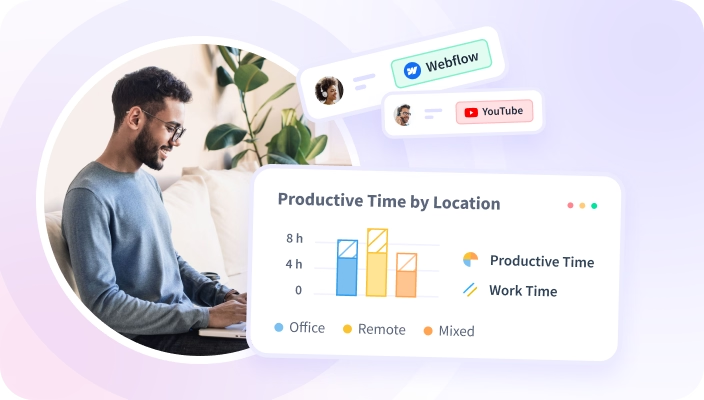
Descubra cómo la visibilidad y los datos ayudan a los equipos a mantener el rendimiento, la equidad y el cumplimiento a medida que el trabajo híbrido funciona a diario.


