

On this page
Measure the work, not the signal.
See productive time and utilization by team, not just what looks active.


Key takeaways
- Capacity planning vs resource planning comes down to two questions: is there enough capacity, and who does which work?
- Capacity planning works in totals over months, while resource planning works in named people over weeks.
- Run capacity planning first, because assigning work the team has no room for moves the shortfall into the schedule.
- Resource planning can expose a shortfall, but closing it takes more capacity or less work.
- Both plans depend on an estimate of available time, so measuring it makes both more reliable.
Capacity planning vs resource planning is a question of scale and order. Capacity planning asks whether your team, in total, has enough hours and skills for the coming work. Resource planning takes that team and decides which person does each piece of work, and when.
Settle the fit first, then assign people within it.
The two get mixed up because they share inputs and come up in the same planning conversations, about the same people and the same deadlines.
Each one produces a different output and fails in a different way, but both rest on the same figure: how many hours people have for planned work.
Capacity planning vs resource planning at a glance
Capacity planning sets the size of the team the work needs, and resource planning fills that team with names.
Each tests the other: the assignments show whether the capacity plan was realistic, and the capacity plan shows whether the assignments can ever balance.
What is capacity planning?
Capacity planning is the process of estimating how much work a team can take on over a coming period and comparing it with the demand you expect. It works in totals, by role or skill, over a span of months. Its output is a gap or a surplus that tells you whether the planned work fits.
There are three types of capacity planning, grouped by what is being planned:
- Workforce capacity covers people and skills
- Tool capacity covers equipment and systems
- Product capacity covers materials and stock.
Workforce capacity is the type that pairs with resource planning, because both deal in people's time. For the full process, from setting demand to reviewing results, see the guide to workforce capacity planning.
Capacity planning also has three main strategies, which differ in when capacity is added relative to demand:
- A lead strategy adds capacity before demand arrives. It's the right choice when demand is predictable and falling short costs more than paying for hours that sit unused.
- A lag strategy adds capacity only once demand is proven. It suits uncertain demand and expensive capacity, at the price of a stretch of overload until new capacity arrives.
- A match strategy adds capacity in small steps as demand grows. It suits steady growth, when you can hire, train, or reassign people in increments.
A customer support team knows ticket volume rises every year in the weeks before the holidays. The planner takes the expected weekly volume, the time a typical ticket takes, and the hours each agent has for tickets once training, meetings, and leave are removed.
If ticket hours exceed agent hours, the team picks a strategy:
- It can train temporary agents before the peak (lead).
- It can wait for confirmed volume and then bring in overflow help (lag).
- It can add agents a few at a time as volume climbs (match).
The choice is made weeks before anyone is put on a shift.
What is resource planning?
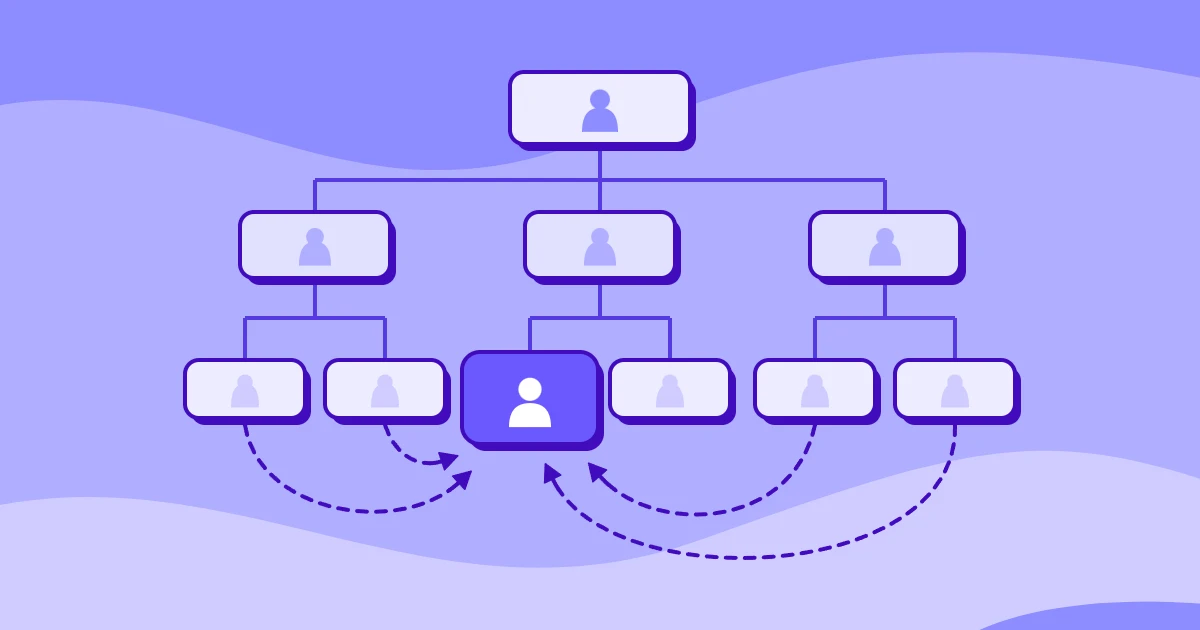
Resource planning is the process of assigning specific people to specific work over a set period, based on their skills, availability, and existing commitments. It works with named individuals, week by week. The result is a schedule that says who is doing what, and when.
Its outputs are named assignments with start and end dates, and an allocation percentage for each person on each piece of work. It shows who has taken on too much and who has room.
A sound resource plan records what each person already carries, such as ongoing support or internal projects, so their allocations add up to a real week. Resource planning can also cover equipment or budget, but people are where the two plans meet.
Take a delivery lead with three client projects starting in the same month, drawing on one shared team. The resource plan decides:
- Who leads each project
- Who supports
- How each person's week splits between them
It also shows the clash the totals hid: one specialist booked on two projects at once, with the work on both depending on that one person.
Workload management is the day-to-day form of resource planning, rebalancing assignments as priorities shift and people's load changes.
Resource planning works with the people you have and the roles already approved. It can show that the work doesn't fit, because someone ends up allocated beyond their available time.
It can't create the missing hours. Closing the gap takes a capacity decision, such as hiring or contracting, or a decision to take on less work.
Capacity planning vs resource planning: the difference, and why it matters
The difference between resource planning and capacity planning is that capacity planning sizes the total workload a team can carry, while resource planning assigns that workload to people.
One sizes the team against demand. The other fills the plan with names and dates.
A quick test tells them apart:
If the question can be answered without anyone's name, it's a capacity question. If it needs names, it's a resource question.
So "Can we take on the new contract?" is a capacity question. "Who leads it, and who backs them up?" is a resource question.
Confusing the two causes three common problems:
- Teams commit to work they can't absorb. The resource plan looks fully staffed, but no one compared total demand with total capacity, so the overload surfaces mid-delivery as slipping dates and overtime.
- Leaders hire to fix a shortfall that was an allocation problem. The hours existed but sat with the wrong people or the wrong team. From inside the stretched team that looks like a hiring need, so the new hire adds cost without clearing the bottleneck.
- Plans look healthy on screen and break down in delivery. Both the capacity plan and the resource plan rested on unmeasured availability. A plan that assumes more working time than people have will look balanced right up to the deadline.
The first two failures come from asking one plan to do the other's job. The third comes from from trusting an unverified availability figure.
The defense against the first two is the same. Ask the capacity question for the whole team before anyone is assigned, and check the resource plan against that total before anyone is hired.
The third failure needs something neither plan provides on its own: availability that's measured.
How capacity and resource planning connect
Resource and capacity planning is one continuous practice: size the team against demand, then assign work within that size, then feed the results back into the next round.
Capacity and resource planning connect as the two stages of that cycle. One works at the level of teams and totals, the other at the level of people and dates.
Capacity planning comes first because it shows whether the work fits at all. It hands resource planning a set of approved hours by role and period. Resource planning turns those hours into assignments.
As the work runs, the gap between planned and actual hours shows where the capacity estimates ran too high or too low. Resource planning sends information back up the chain too: roles that stay unfilled, people allocated beyond their time, and work that took longer than estimated.
A capacity plan that ignores those signals repeats the same error next cycle.
A workable rhythm is to review capacity each quarter or season and resources each week. Comparing planned and actual hours at the end of each period means the next round starts from what actually happened.
Running both together has a name of its own: resource capacity planning. When a team, a job description, or a planning tool uses that term, it means the full cycle. One shared set of numbers runs through both stages.
Headcount planning answers a related question that follows from the capacity plan: should the team grow, and in which roles?
What both plans assume, and how to check it
Both plans rest on the same input: how many hours each person or role can give to planned work.
A typed-in figure is someone's estimate of what the week loses. It can't show how much goes to admin, support requests, handovers, and restarting work after interruptions.
It also stays the same while the team changes, as people join, leave, or take on new responsibilities. More careful data entry doesn't solve this, if the correct figure isn't measured in the first place.
Every number downstream inherits that incorrect figure, in both plans. If it's too high, the capacity plan approves too much work, and the resource plan spreads that work across people who don't have the hours.
Reliable capacity and headcount planning starts with a measured baseline replaces the guess with recorded time.
Which one do you need?
You need capacity planning when the question is whether the work fits, and resource planning when the question is who does it. These conditions point to one, the other, or both:
- If you need to know whether next quarter's work fits the team you have, start with capacity planning.
- If the total fits but deadlines still slip, look at resource planning, because the hours may be in the wrong places.
- If you're about to hire, check the capacity plan and the current allocation first, so you know the shortfall is real.
- If a project needs names and dates this week, you need resource planning, built on a capacity figure someone has already checked.
- If plans keep looking healthy and failing in delivery, check the availability figure under both before redoing either.
Either plan works best when demand by role, assignments by person, and a measured figure for available time sit in one place. Keeping them together is the job of resource capacity planning tools.
When the two plans draw on different numbers, hours are already lost before anyone has even assigned a task.
Start from what the work actually takes
Capacity planning settles whether there is room for the work, and resource planning settles who carries it. Each fails without the reliable figures from the other.
Run capacity planning first, and measure the availability figure both depend on, so no one has to type it in.
Insightful's Workforce Analytics shows where people spend time and how to best utilize time. It works from activity data its desktop app already collects, with no surveys or timesheets to fill in.
Its Communication Report splits each team's day between meetings, calls, messages, and focus time. Its Utilization formulas measure each team against the hours it's expected to work. The guide to utilization calculations explains how those figures are read.
Fed into a capacity plan, that baseline shows how much of each team's expected time current work already takes. Fed into a resource plan, it shows which teams run above or below their expected hours before anyone assigns names.
The next hire request is then weighed against the hours the team really has. Both plans start from a measured figure, based on your own data.
To see how your teams' time splits today and build the next plan on it, start a free trial.
Frequently asked questions
What is the difference between capacity planning and resource planning?
Capacity planning sizes the whole team against expected demand over the coming months, while resource planning puts named people on specific work over the coming weeks. The first answers whether there is enough capacity in total. The second answers who carries each piece of work and when, within the capacity the first one approved.
What is resource and capacity planning?
Resource and capacity planning is the practice of running both disciplines as one cycle. You size capacity against demand first, then assign named people to the work that fits.
Afterward, you compare what happened with the plan and carry the actual hours into the next round. The combined practice is also called resource capacity planning.
What are the three types of capacity planning?
The three types of capacity planning are workforce, tool, and product capacity planning, which cover people, equipment and systems, and materials and stock respectively. Lead, lag, and match are sometimes listed as types too, though they're strategies. Lead adds capacity before demand arrives, lag adds it once demand is proven, and match adds it in small steps.
What is capacity planning with an example?
Capacity planning is checking whether a team has enough hours for upcoming work before committing to it. For example, a finance team facing its year-end close can estimate the extra reconciliation and reporting work. It compares that with the hours its accountants have after routine tasks, then decides early whether to bring in contractors or move deadlines.
Which should you do first, capacity or resource planning?
Capacity planning comes first. It tells you whether the total work fits the team, and once it does, it makes sense to decide who does what.
Assigning people before checking capacity produces a schedule that looks complete but hides a shortfall. It surfaces later as missed dates, overtime, or dropped work.
Who is responsible for capacity planning and resource planning?
Capacity planning belongs to the people who decide team size: operations or portfolio leaders, working with finance on budget. Resource planning belongs to the people who assign the work: resource managers, delivery leads, and project managers. Both groups depend on the same availability figures, so they plan best from one shared source.
Workload management is the day-to-day form of resource planning, rebalancing assignments as priorities shift and people's load changes.
Resource planning works with the people you have and the roles already approved. It can show that the work doesn't fit, because someone ends up allocated beyond their available time.
It can't create the missing hours. Closing the gap takes a capacity decision, such as hiring or contracting, or a decision to take on less work.
Capacity planning vs resource planning: the difference, and why it matters
The difference between resource planning and capacity planning is that capacity planning sizes the total workload a team can carry, while resource planning assigns that workload to people. One sizes the team against demand. The other fills the plan with names and dates.
A quick test tells them apart. If the question can be answered without anyone's name, it's a capacity question, and if it needs names, it's a resource question.
So "Can we take on the new contract?" is a capacity question. "Who leads it, and who backs them up?" is a resource question.
Confusing the two causes three problems, each of which shows up late:
- Teams commit to work they can't absorb. The resource plan looks fully staffed, but no one compared total demand with total capacity, so the overload surfaces mid-delivery as slipping dates and overtime.
- Leaders hire to fix a shortfall that was an allocation problem. The hours existed but sat with the wrong people or the wrong team. From inside the stretched team that looks like a hiring need, so the new hire adds cost without clearing the bottleneck.
- Plans look healthy on screen and break down in delivery. Both the capacity plan and the resource plan rested on unmeasured availability. A plan that assumes more working time than people have will look balanced right up to the deadline.
The first two failures come from asking one plan to do the other's job, and the third from trusting an availability figure no one checked.
The defense against the first two is the same. Ask the capacity question for the whole team before anyone is assigned, and check the resource plan against that total before anyone is hired. The third failure needs something neither plan provides on its own: availability that someone has measured.
How capacity and resource planning connect
Resource and capacity planning is one continuous practice: size the team against demand, then assign work within that size, then feed the results back into the next round. Capacity and resource planning connect as the two stages of that cycle. One works at the level of teams and totals, the other at the level of people and dates.
Capacity planning comes first because it shows whether the work fits at all. It hands resource planning a set of approved hours by role and period, and resource planning turns those hours into assignments.
As the work runs, the gap between planned and actual hours shows where the capacity estimates ran too high or too low. Resource planning sends information back up the chain too: roles that stay unfilled, people allocated beyond their time, and work that took longer than estimated.
A capacity plan that ignores those signals repeats the same error next cycle.
A workable rhythm is to review capacity each quarter or season and resources each week. Comparing planned and actual hours at the end of each period means the next round starts from what happened.
Running both together has a name of its own: resource capacity planning. When a team, a job description, or a planning tool uses that term, it means the full cycle. One shared set of numbers runs through both stages.
Headcount planning answers a related question that follows from the capacity plan: should the team grow, and in which roles?
What both plans assume, and how to check it
Both plans rest on the same input: how many hours each person or role can give to planned work. Where that number is typed into a spreadsheet or left at a planning tool's default, neither plan verifies it.
A typed-in figure is someone's estimate of what the week loses. It can't show how much goes to admin, support requests, handovers, and restarting work after interruptions.
It also stays the same while the team changes, as people join, leave, or take on new responsibilities. More careful data entry doesn't solve this, because the figure was not measured in the first place.
Every number downstream inherits that figure, in both plans. If it's too high, the capacity plan approves too much work, and the resource plan spreads that work across people who don't have the hours.
A measured baseline replaces the guess with recorded time.
Which one do you need?
You need capacity planning when the question is whether the work fits, and resource planning when the question is who does it. These conditions point to one, the other, or both:
- If you need to know whether next quarter's work fits the team you have, start with capacity planning.
- If the total fits but deadlines still slip, look at resource planning, because the hours may be in the wrong places.
- If you're about to hire, check the capacity plan and the current allocation first, so you know the shortfall is real.
- If a project needs names and dates this week, you need resource planning, built on a capacity figure someone has already checked.
- If plans keep looking healthy and failing in delivery, check the availability figure under both before redoing either.
Either plan works best when demand by role, assignments by person, and a measured figure for available time sit in one place. Keeping them together is the job of tools for capacity and headcount planning.
When the two plans draw on different numbers, they disagree about the hours before anyone has assigned a task.
Start from what the work actually takes
Capacity planning settles whether there is room for the work, and resource planning settles who carries it. One works in totals and the other in names, and each fails without the other.
Run capacity planning first, and measure the availability figure both depend on, so no one has to type it in.
Insightful's Workforce Analytics shows where people spend time and how to best utilize time. It works from activity data its desktop app already collects, with no surveys or timesheets to fill in.
Its Communication Report splits each team's day between meetings, calls, messages, and focus time. Its Utilization formulas measure each team against the hours it's expected to work, and the guide to utilization calculations explains how those figures are read.
Fed into a capacity plan, that baseline shows how much of each team's expected time current work already takes. Fed into a resource plan, it shows which teams run above or below their expected hours before anyone assigns names.
The next hire request is then weighed against the hours the team already has, and both plans start from a measured figure.
To see how your teams' time splits today and build the next plan on it, start a free trial.
Frequently asked questions
What is the difference between capacity planning and resource planning?
Capacity planning sizes the whole team against expected demand over the coming months, while resource planning puts named people on specific work over the coming weeks. The first answers whether there is enough capacity in total. The second answers who carries each piece of work and when, within the capacity the first one approved.
What is resource and capacity planning?
Resource and capacity planning is the practice of running both disciplines as one cycle. You size capacity against demand first, then assign named people to the work that fits.
Afterward, you compare what happened with the plan and carry the actual hours into the next round. The combined practice is also called resource capacity planning.
What are the three types of capacity planning?
The three types of capacity planning are workforce, tool, and product capacity planning, which cover people, equipment and systems, and materials and stock respectively. Lead, lag, and match are sometimes listed as types too, though they're strategies. Lead adds capacity before demand arrives, lag adds it once demand is proven, and match adds it in small steps.
What is capacity planning with an example?
Capacity planning is checking whether a team has enough hours for upcoming work before committing to it. For example, a finance team facing its year-end close can estimate the extra reconciliation and reporting work. It compares that with the hours its accountants have after routine tasks, then decides early whether to bring in contractors or move deadlines.
Which should you do first, capacity or resource planning?
Capacity planning comes first. It tells you whether the total work fits the team, and once it does, it makes sense to decide who does what.
Assigning people before checking capacity produces a schedule that looks complete but hides a shortfall. It surfaces later as missed dates, overtime, or dropped work.
Who is responsible for capacity planning and resource planning?
Capacity planning belongs to the people who decide team size: operations or portfolio leaders, working with finance on budget. Resource planning belongs to the people who assign the work: resource managers, delivery leads, and project managers. Both groups depend on the same availability figures, so they plan best from one shared source.